Maintaining and Calibrating Your ESD Measurement Equipment: A Guide to Reliability
Electrostatic Discharge (ESD) control is a cornerstone of quality in electronics manufacturing. However, the system is only as reliable as its weakest link. If the equipment you use to measure ESD safety—such as wrist strap testers, surface resistance meters, and continuous monitors—is not properly maintained and calibrated, your entire ESD control program is built on a foundation of sand.
Regular maintenance and calibration are not just best practices; they are often required by quality standards like ISO 9001 and ANSI/ESD S20.20.
Part 1: Routine Maintenance for ESD Equipment
Routine maintenance consists of the simple, regular checks and cleaning you perform to keep equipment in good working order.
1. Visual Inspection:
What to Check: Look for any obvious signs of damage. This includes cracked cases, frayed cables, corroded battery contacts, damaged test plates on wrist strap testers, or worn probe tips on resistance meters.
Frequency: Before each use or at the start of each shift.
Action: Tag and remove any damaged equipment from service immediately.
2. Cleaning:
Why it's Critical: Contamination like dust, skin oils, and solder flux on test plates and probes is a leading cause of inaccurate readings. It creates an insulating layer that prevents proper contact.
How to Clean:
Wrist Strap Tester Plates & CMM Plates: Use a lint-free wipe lightly moistened with isopropyl alcohol (IPA). Do not use harsh solvents.
Resistance Meter Probes: Clean carefully with IPA to remove any residue.
General Equipment: Wipe down exteriors with a damp cloth and mild detergent. Avoid getting moisture into vents or connectors.
Frequency: Weekly, or more frequently in dirty environments.
3. Battery Management:
For handheld testers and wireless monitors, weak batteries are a common source of erratic behavior and false readings.
Action: Implement a battery replacement schedule. For rechargeable units, ensure they are charged as per the manufacturer's instructions. Many modern devices will provide a low-battery warning.
4. Functional Check (Verification):
Purpose: A quick check to see if the device is operating as expected between formal calibrations.
How to Perform: Use a known-good "golden unit" or a calibrated reference resistor.
For a Wrist Strap Tester: Test a wrist strap and footwear that you know pass consistently. Note any significant deviation from the expected reading.
For a Resistance Meter: Use a calibrated, high-precision resistor (e.g., a 1 Megohm resistor for testing point-to-point) to verify the meter reads within an acceptable tolerance.
Frequency: Daily or weekly.
Part 2: Formal Calibration of ESD Equipment
Calibration is the formal, documented process of comparing your equipment's readings to a traceable standard of known accuracy and adjusting it if necessary. This is typically performed by an accredited calibration lab or a trained technician.
1. Why Calibrate?
Accuracy: Ensures your measurements are correct, protecting your product from undetected ESD risks.
Compliance: Meets the requirements of internal quality systems and external audits.
Data Integrity: Provides confidence that your compliance records are based on accurate data.
Risk Mitigation: Prevents the cost of shipping defective product or scrapping good product based on false readings.
2. What Needs Calibration?
Any device used to make a pass/fail decision or to collect data for compliance records, including:
Wrist Strap Testers
Footwear Testers
Surface Resistance Meters (Handheld)
Resistivity Meters (for materials)
Static Charge Meters (Electrostatic Fieldmeters)
Continuous Monitoring Systems (The system's internal reference circuits should be calibrated)
3. The Calibration Process:
Traceability: The calibration standard used by the lab must be traceable to a national metrology institute (like NIST in the USA or NPL in the UK).
Procedure: A certified technician will test your device at several points across its measurement range (e.g., at 1 Mohm, 10 Mohm, 100 Mohm for a resistance meter).
As-Found/As-Left Data: The lab report will show the "as-found" data (how off your device was upon arrival) and the "as-left" data (its accuracy after adjustment).
Adjustment: If the device is out of tolerance, the technician will adjust it back to the manufacturer's specifications.
4. Calibration Labels:
Every calibrated device should have a label stating:
5. Establishing a Calibration Schedule:
Follow Manufacturer's Recommendation: This is the best starting point (e.g., annually).
Based on Risk and Usage: Equipment used heavily or in critical applications may need a shorter interval (e.g., every 6 months).
Based on Historical Performance: If a device consistently drifts out of tolerance before its annual due date, shorten its interval.
Best Practices for a Robust Program
Create a Master Asset List: Maintain a log of all your ESD measurement equipment, including model, serial number, location, and calibration due date.
Use "Calibration Required" Tags: Clearly identify equipment that must be calibrated. Remove or tag-out any device that is out of calibration.
Handle with Care: ESD test equipment is precision electronics. Avoid dropping it, and store it in a clean, dry environment.
Invest in Calibration Kits: For larger facilities, purchasing a set of calibrated reference resistors allows for robust in-house verification between formal calibrations.
Document Everything: Keep all calibration certificates and maintenance logs. This is your primary evidence during an audit.


 Español
 Portugues
 Pусский
 Français
 Deutsch
 日本語
日本語 한국어
한국어 العربية
 Italiano
 Nederlands
 Polski
 ไทย
ไทย Türk dili
 हिन्दी
 Indonesia
 Melayu
 Tiếng Việt
 বাংলা
বাংলা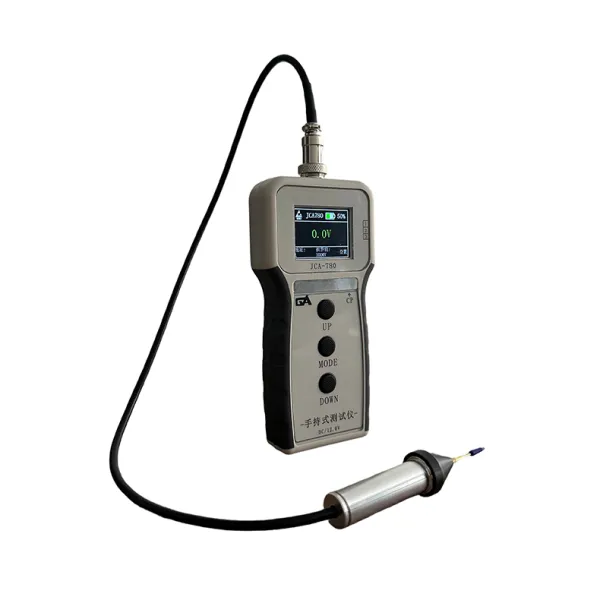 Portable Compact Isolated Conductor Tester - Precise Static Voltage Meter with Touchscreen Operation
 Touch-Operated Handheld ESD Tester - Accurate Static Detection Instrument
 Anti-Static High-Frequency Smart Soldering Station - Industrial-Grade Lead-Free Soldering Iron for Electronic Repair
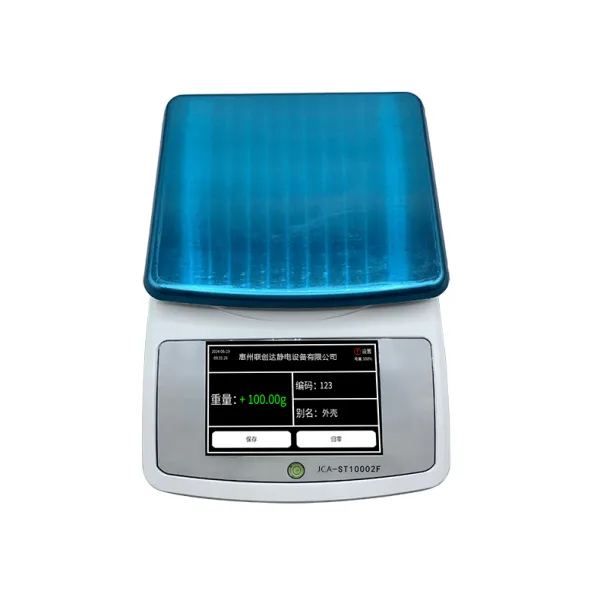 Lightweight Precision Industrial Scale - Portable High-Precision Weighing, QR Code Data Recording
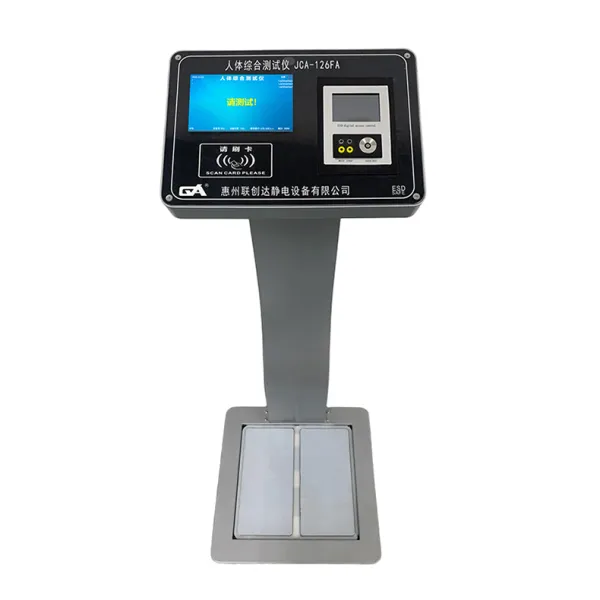 Pro ESD Human Body Comprehensive Tester - Anti-Static Access Gate with Biometric & Card Recognition
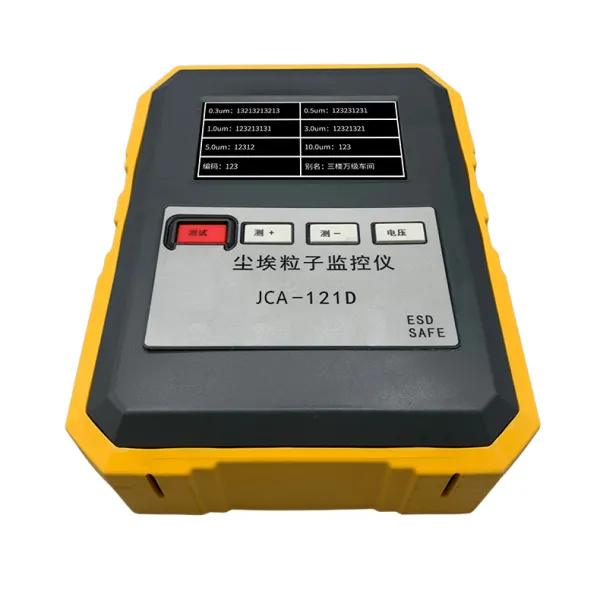 Lianchuangda Portable Particle Counter - Cleanroom-Specific Air Cleanliness Tester
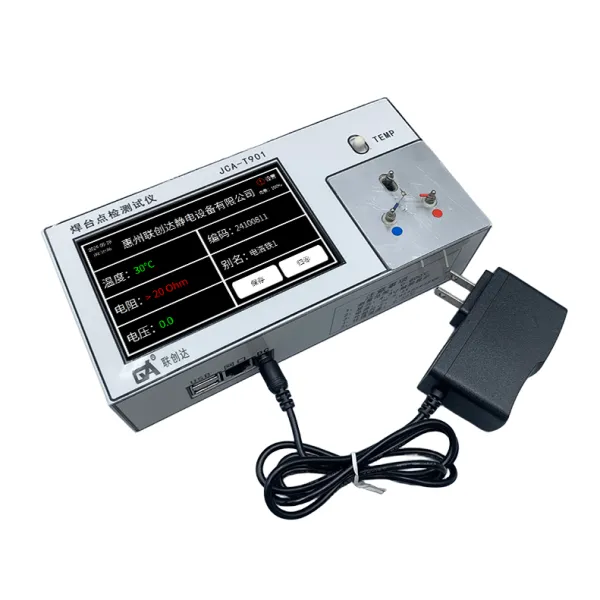 Lianchuangda Environmental Pressure Tester Wireless Digital Display & Grounding Monitoring
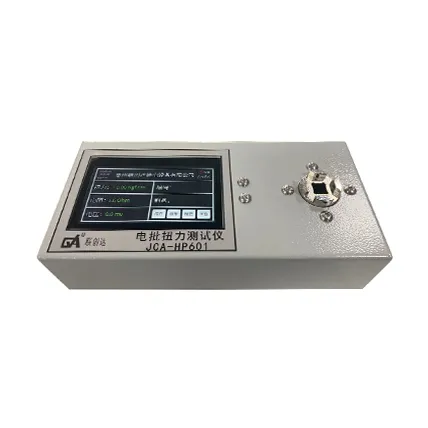 Digital Electric Screwdriver Torque Tester - Precise Measurement, Smart Data Storage
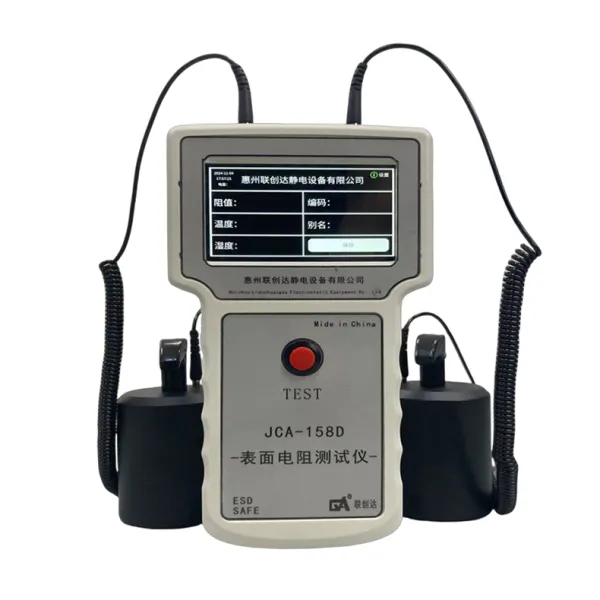 Portable Hammer Surface Resistance Tester - Smart Industrial Megohmmeter with Data Networking
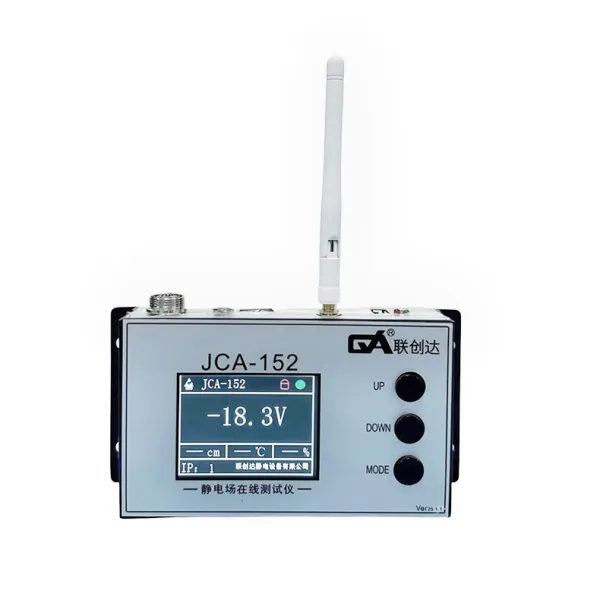 Wireless ESD Field Tester - Real-Time Voltage Monitoring, Easy Installation & Visual Operation
 Color Screen Wireless Ion Fan Static Tester with Voltage Measurement & Data Transmissio
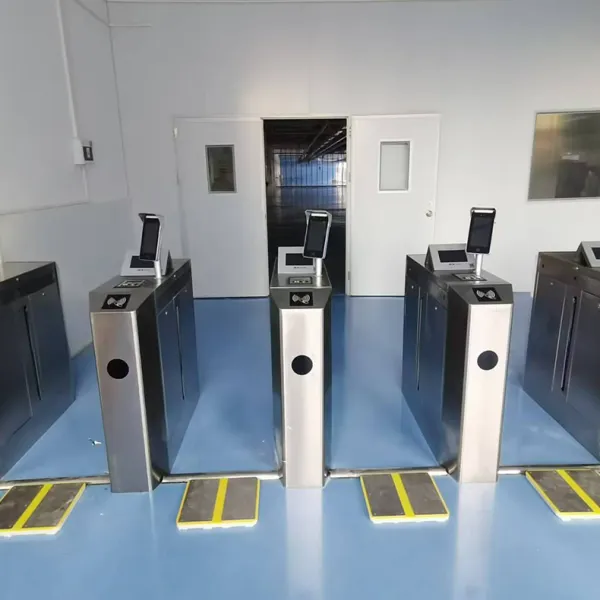 Lianchuangda Test Anti-static Access Control Turnstile JCA-S106 Supports MySQL Database
 Suspended 3-Head DC Ion Fan - Smart Quiet Static Eliminator, Customizable
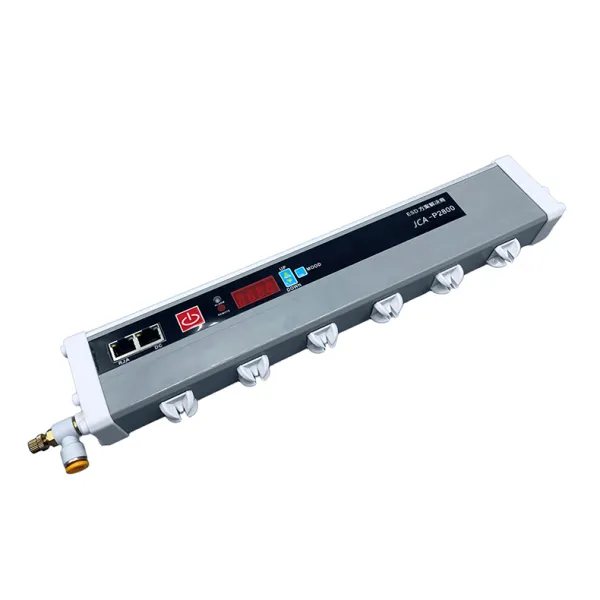 Pulse-Type ESD Ion Air Bar - Industrial-Specific Static Eliminator for ESD Removal
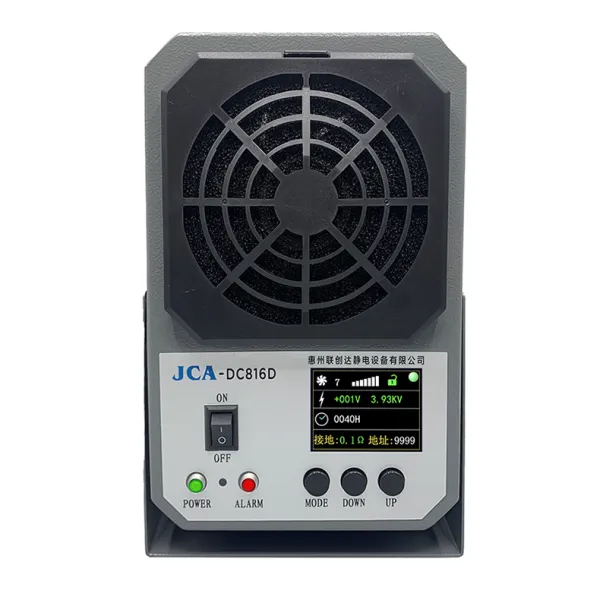 Lianchuangda Smart DC Ion Fan - Industrial-Grade Static Elimination for Factory Workshops
 Desktop DC Single-Head Ion Fan - Professional Static Eliminator with Wireless Network Connectivity
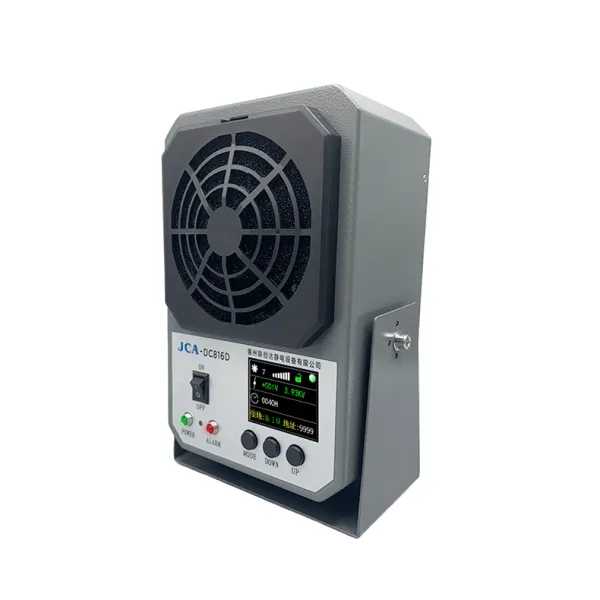 Intelligent DC Ion Fan Manufacturer Workshop Electronic Anti-Static Industrial-Grade Static Elimination Equipment
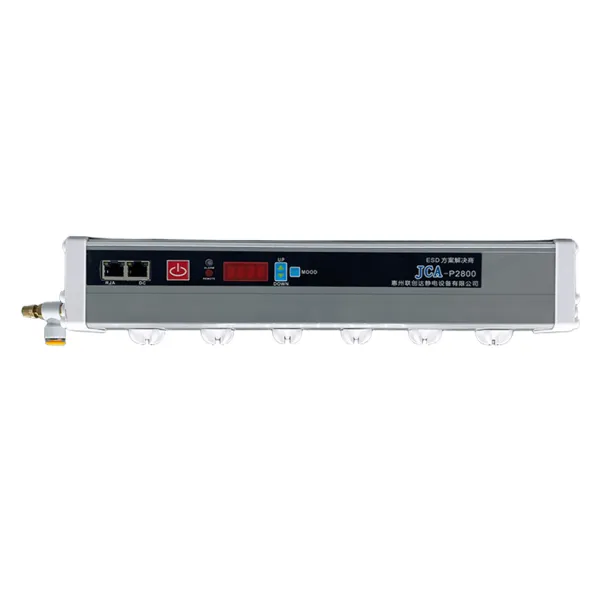 Industrial Static Elimination Pulse-type Anti-static Ion Air Bar Static Eliminator
 2.2-inch color screen three-air outlet ion fan static protection eliminates static electricity
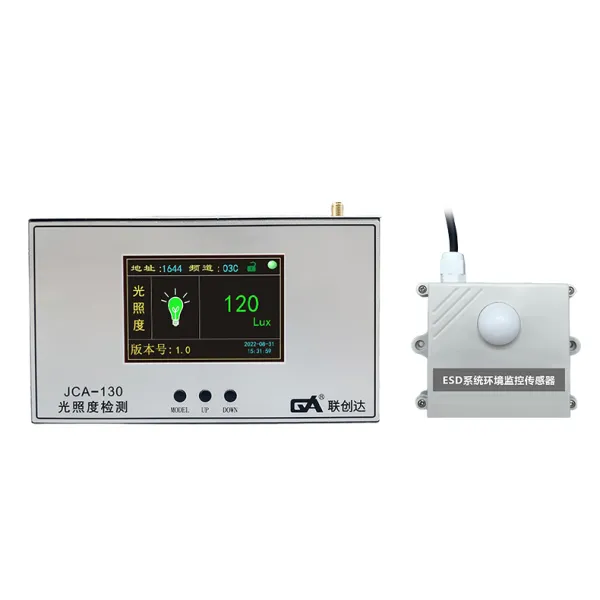 3.5 Inch Color LCD Wireless Digital Lux Meter - High-Precision Environmental Detector with Network Connectivity
 Smart Wireless Noise Detection Alarm System - Digital Tester for Environmental Monitoring with Networking
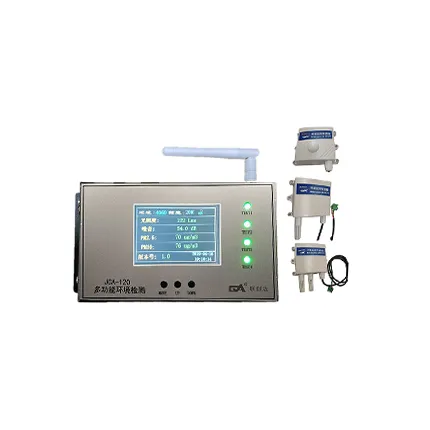 3.5 Inch Color LCD Wireless Multi-Functional Environmental Detector - Dust Particle Tester with WiFi Connectivity
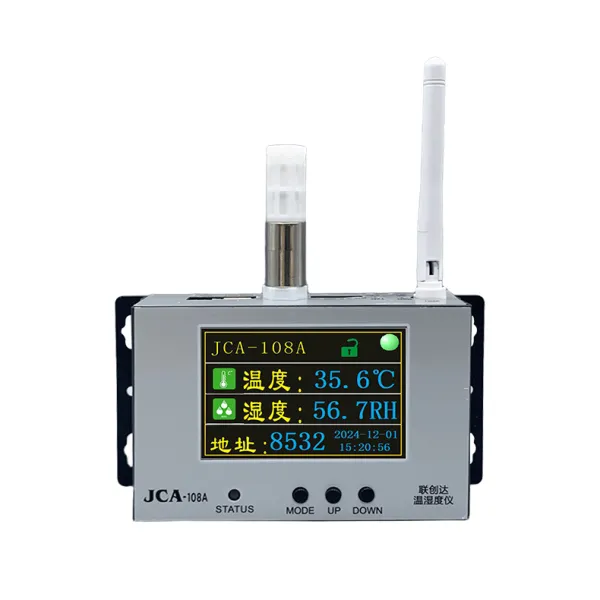 Wireless Temperature & Humidity Monitor - Smart Recorder with Remote Query & Data Transmission
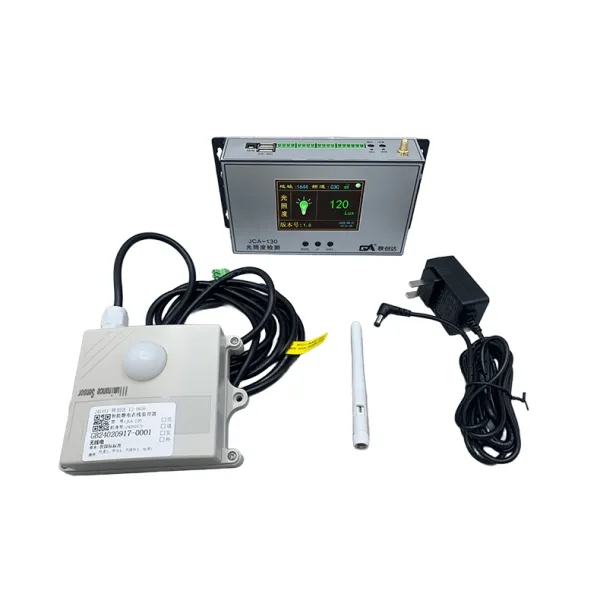 Lianchuangda Wireless Digital Display Illuminance Tester - 3.5-inch LCD Color Screen Dynamic Display High-Precision Environmental Tester



 WhatsApp
 Phone
Phone
Comment
(0)