


 Español
 Portugues
 Pусский
 Français
 Deutsch
 日本語
日本語 한국어
한국어 العربية
 Italiano
 Nederlands
 Polski
 ไทย
ไทย Türk dili
 हिन्दी
 Indonesia
 Melayu
 Tiếng Việt
 বাংলা
বাংলা


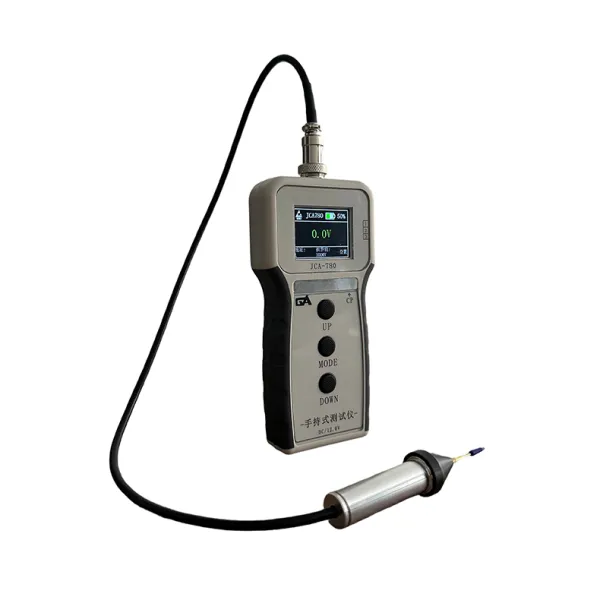


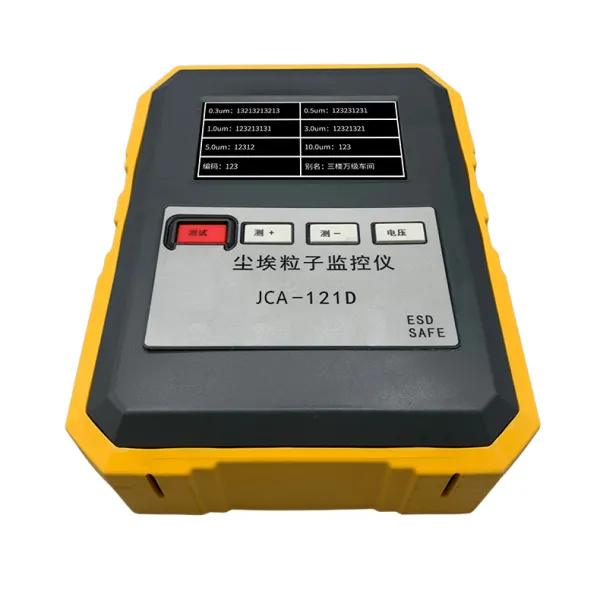
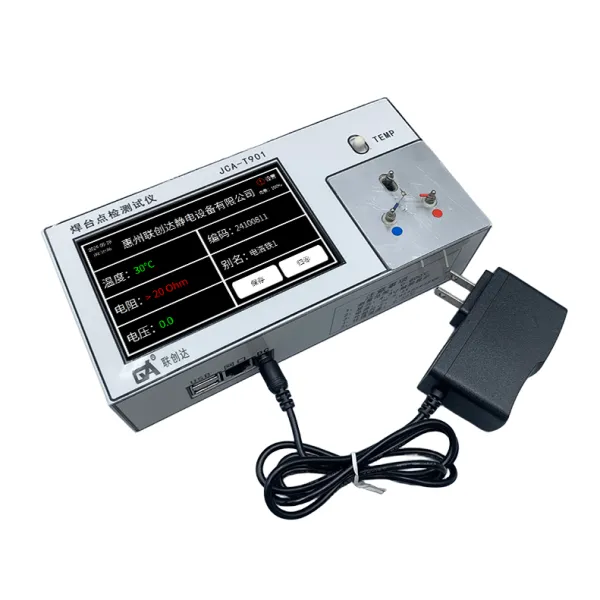
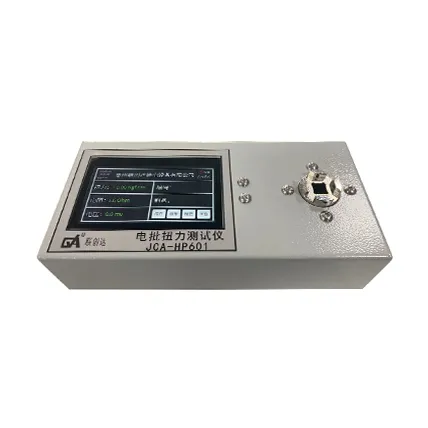
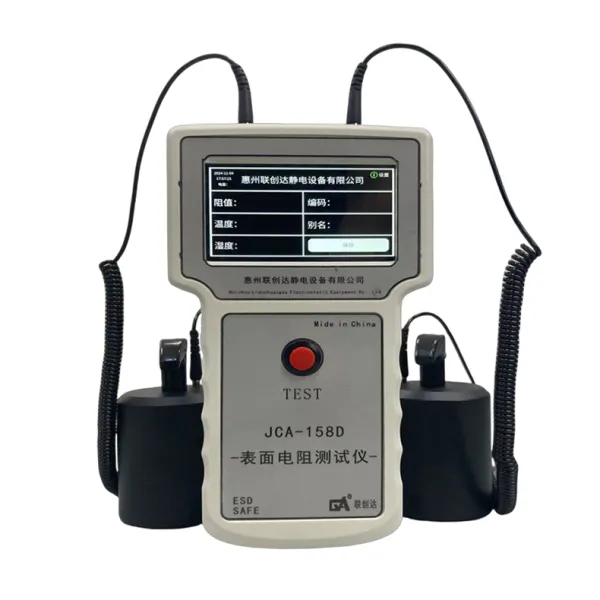
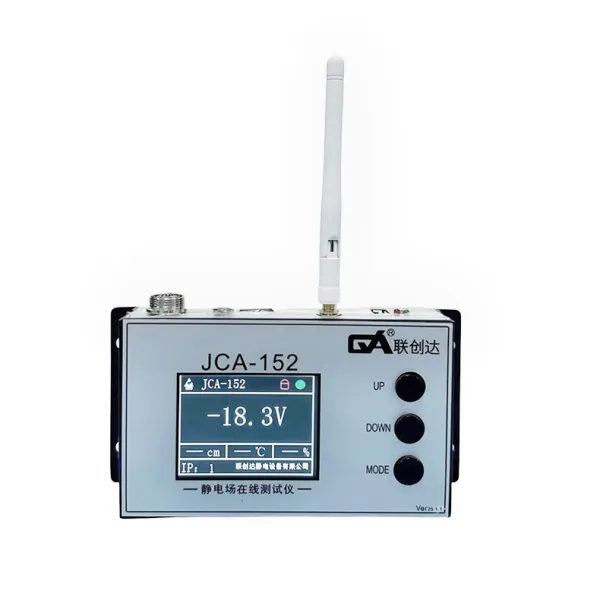



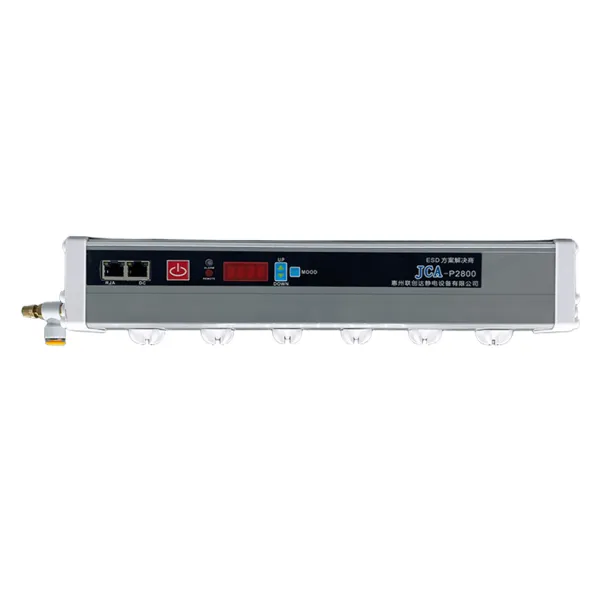

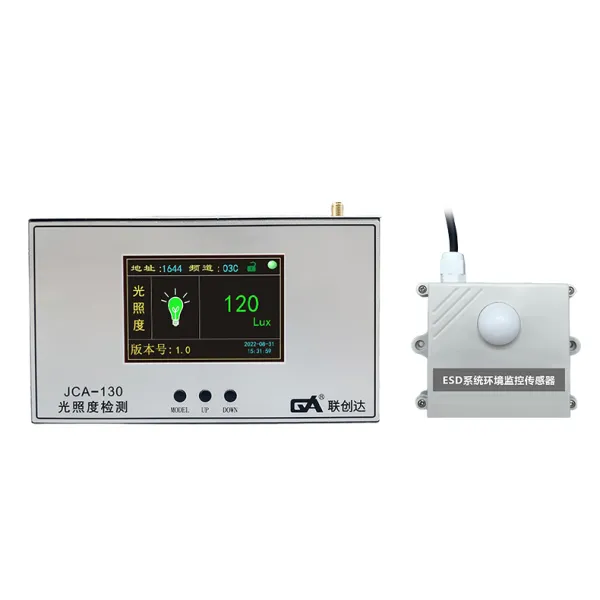

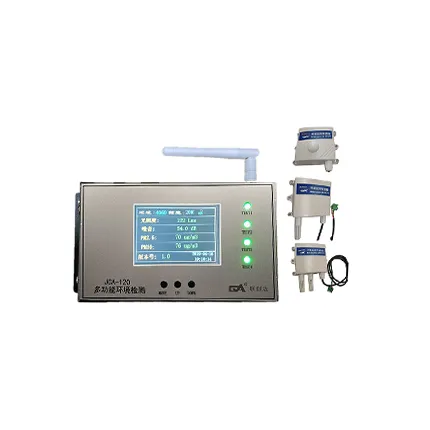
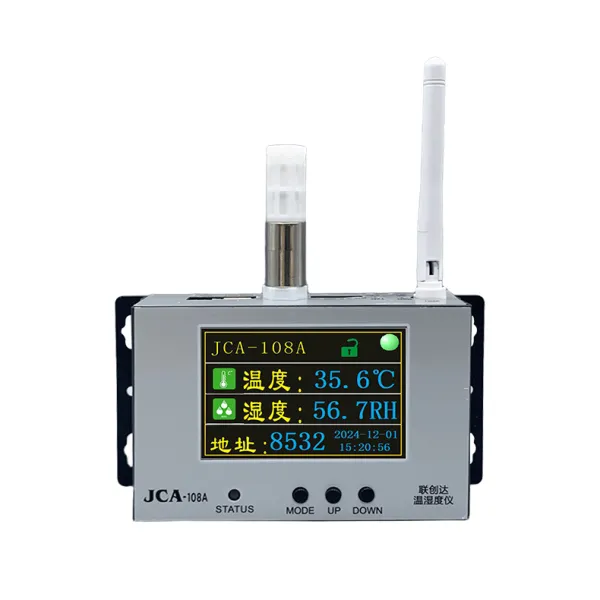
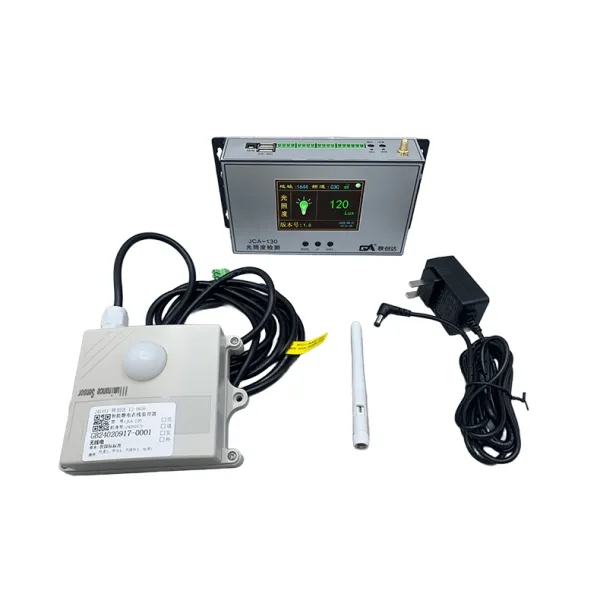


Dust particle detector
Dust Particle Detector: Overview and Applications A dust particle detector is an analytical instrument designed to measure and monitor the concentration, size distribution, and composition of airborne particulate matter in various environments. These detectors play a critical role in industrial, environmental, scientific, and health-related applications by providing real-time or sample-based data on dust levels. Working Principle Dust particle detectors utilize multiple technologies to identify and quantify particles. Common methods include: 1. Light Scattering: A laser or LED light source illuminates particles, and scattered light is detected by a photodetector. The intensity and pattern of scattering correlate with particle size and concentration. 2. Optical Microscopy: Particles are collected on a filter or surface and analyzed microscopically for size and morphology. 3. Electrostatic Detection: Charged particles are measured based on their electrical mobility, useful for fine and ultrafine particles. 4. Gravimetric Analysis: Air is drawn through a filter, and the mass of collected particles is measured to determine concentration. Advanced detectors may combine multiple techniques for higher accuracy and broader particle size detection (from nanometers to micrometers). Key Features - Real-time Monitoring: Provides instant feedback on particulate levels, crucial for industrial safety and environmental compliance. - Size Discrimination: Classifies particles into size ranges (e.g., PM1.0, PM2.5, PM10) to assess health risks. - Portability: Handheld or compact models enable field measurements in workplaces, construction sites, or outdoor environments. - Data Logging: Stores measurements for trend analysis and regulatory reporting. Applications 1. Industrial Hygiene - Monitors workplace air quality in factories, mines, and construction sites to ensure compliance with occupational exposure limits. - Detects hazardous dust (e.g., silica, asbestos) to protect workers' respiratory health. 2. Environmental Monitoring - Measures air pollution levels (e.g., smog, wildfire smoke) for public health advisories. - Tracks particulate emissions from vehicles, power plants, and industrial processes. 3. Cleanroom and Laboratory Use - Ensures low particulate counts in semiconductor manufacturing, pharmaceuticals, and medical facilities. 4. Indoor Air Quality - Assesses dust, allergens, and mold spores in homes, schools, and offices. 5. Research and Development - Studies aerosol behavior, climate effects of particulates, and filtration efficiency. Advancements Modern detectors integrate IoT connectivity for remote monitoring, AI-based data analysis, and low-power sensors for long-term deployment. Miniaturization has also enabled wearable dust detectors for personal exposure tracking. Conclusion Dust particle detectors are indispensable tools for safeguarding health, ensuring regulatory compliance, and advancing scientific research. Their evolving technology continues to enhance precision, usability, and adaptability across diverse sectors.
Products
Category:
No search results found!
News
Category:
-
[Technical knowledge]Buying Guide for Electrostatic Field Testers: Key Features a...
2025-11-12 15:26:02
Case
Category:
No search results found!
Video
Category:
No search results found!
Download
Category:
No search results found!
Job
Category:
No search results found!
Featured Products
No search results found!



 WhatsApp
 Phone
Phone