


 Español
 Portugues
 Pусский
 Français
 Deutsch
 日本語
日本語 한국어
한국어 العربية
 Italiano
 Nederlands
 Polski
 ไทย
ไทย Türk dili
 हिन्दी
 Indonesia
 Melayu
 Tiếng Việt
 বাংলা
বাংলা











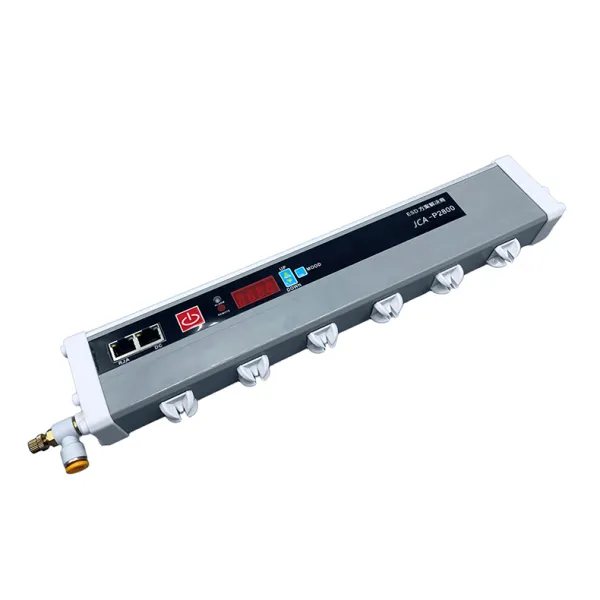



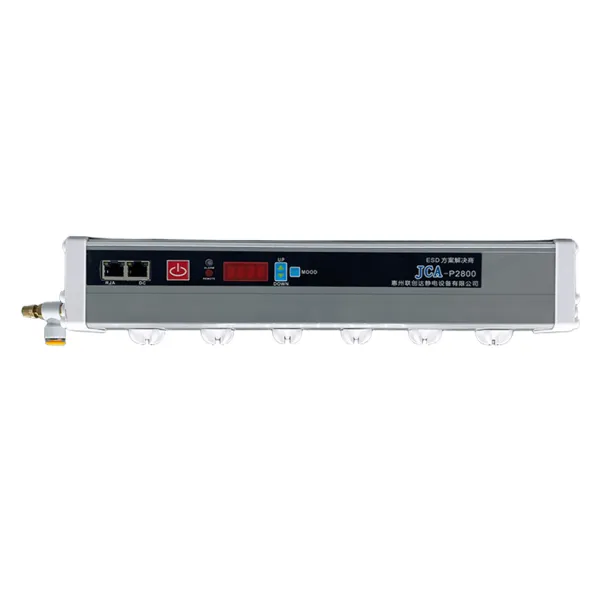

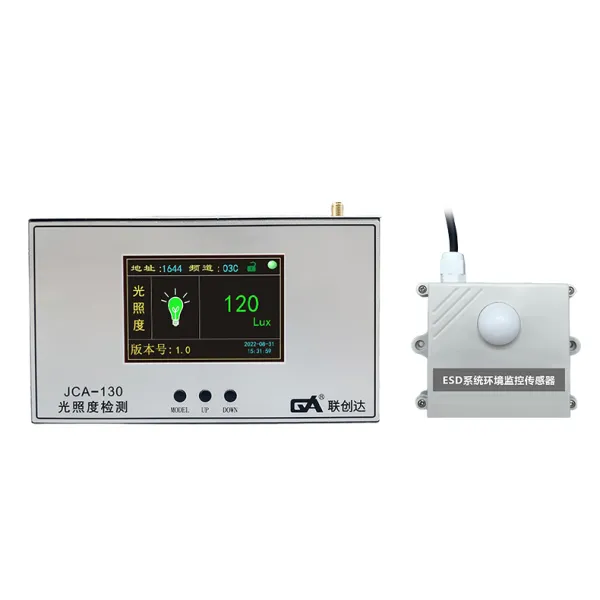

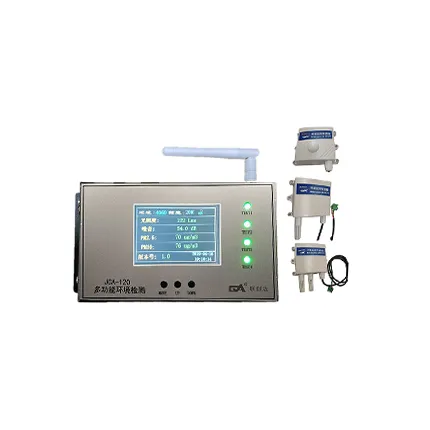


EnvironmentalDetection
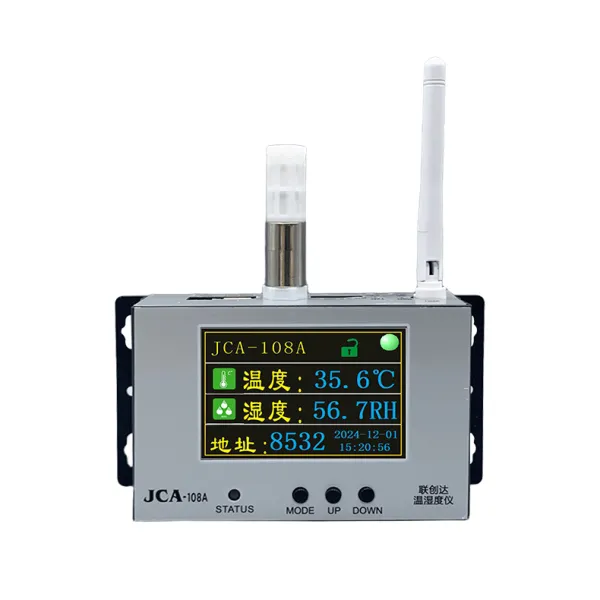
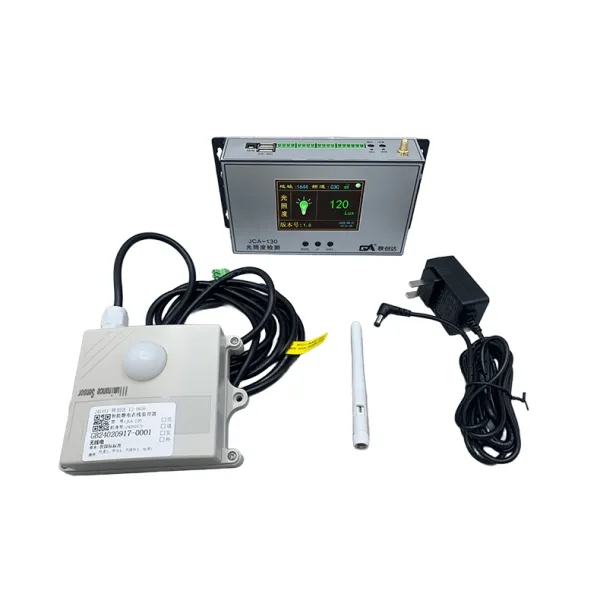
Environmental Detection: A Critical Tool for Sustainable Development Environmental detection refers to the systematic monitoring and analysis of various environmental parameters to assess the quality of air, water, soil, and ecosystems. It plays a pivotal role in identifying pollution sources, evaluating ecological health, and ensuring compliance with environmental regulations. As industrialization and urbanization accelerate, the need for accurate and real-time environmental detection has become more urgent than ever. Key Components of Environmental Detection 1. Air Quality Monitoring: Detecting pollutants such as particulate matter (PM2.5, PM10), nitrogen oxides (NOx), sulfur dioxide (SO2), ozone (O3), and volatile organic compounds (VOCs) is essential for safeguarding public health. Advanced sensors and satellite-based systems enable continuous tracking of air pollution levels, helping governments implement mitigation strategies. 2. Water Quality Assessment: Monitoring parameters like pH, dissolved oxygen, heavy metals, and chemical contaminants ensures the safety of drinking water and aquatic ecosystems. Real-time water quality sensors and remote sensing technologies provide early warnings for contamination events, such as industrial spills or algal blooms. 3. Soil and Land Monitoring: Soil contamination from pesticides, heavy metals, or industrial waste can disrupt agriculture and biodiversity. Environmental detection techniques, including spectroscopy and geospatial analysis, help identify degraded areas and guide remediation efforts. 4. Noise and Radiation Detection: Excessive noise pollution and harmful radiation levels pose risks to human health and wildlife. Specialized detectors measure these factors in urban and industrial zones, supporting noise reduction and radiation safety protocols. Technological Advancements Modern environmental detection relies on cutting-edge technologies such as IoT-enabled sensors, drones, and artificial intelligence (AI). These tools enhance data accuracy, enable predictive modeling, and facilitate large-scale environmental mapping. For instance, AI algorithms can analyze vast datasets to predict pollution trends or detect anomalies in real time. Importance for Sustainability Environmental detection is indispensable for achieving sustainable development goals (SDGs). It supports climate action (SDG 13), clean water and sanitation (SDG 6), and responsible consumption (SDG 12). By providing actionable insights, it empowers policymakers, industries, and communities to adopt eco-friendly practices and reduce environmental degradation. Challenges and Future Directions Despite progress, challenges remain, including high costs, technical limitations in remote areas, and data interoperability issues. Future advancements should focus on affordable, scalable solutions and global collaboration to address transboundary environmental threats. In conclusion, environmental detection is a cornerstone of environmental protection and sustainable development. By leveraging technology and data-driven approaches, it helps mitigate pollution, conserve natural resources, and build resilient ecosystems for future generations.
Products
Category:
No search results found!
News
Category:
-
[Industry news]Advantages of Wireless Temperature and Humidity Monitors in...
2025-11-12 15:55:17
Case
Category:
No search results found!
Video
Category:
No search results found!
Download
Category:
No search results found!
Job
Category:
No search results found!
Featured Products
No search results found!



 WhatsApp
 Phone
Phone