


 Español
 Portugues
 Pусский
 Français
 Deutsch
 日本語
日本語 한국어
한국어 العربية
 Italiano
 Nederlands
 Polski
 ไทย
ไทย Türk dili
 हिन्दी
 Indonesia
 Melayu
 Tiếng Việt
 বাংলা
বাংলা


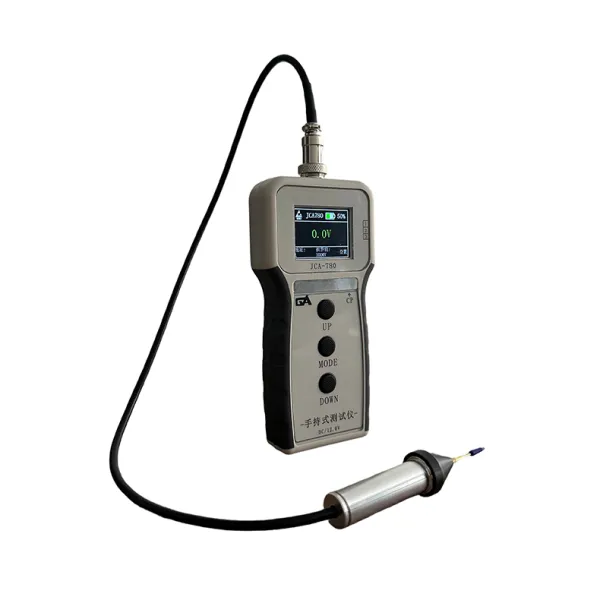


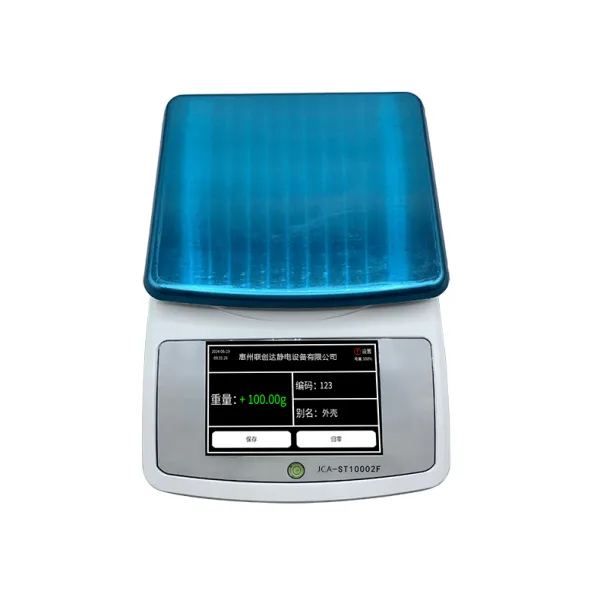
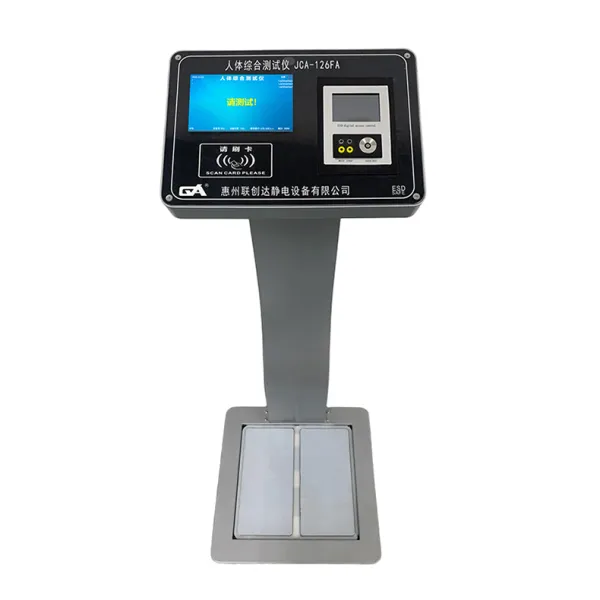
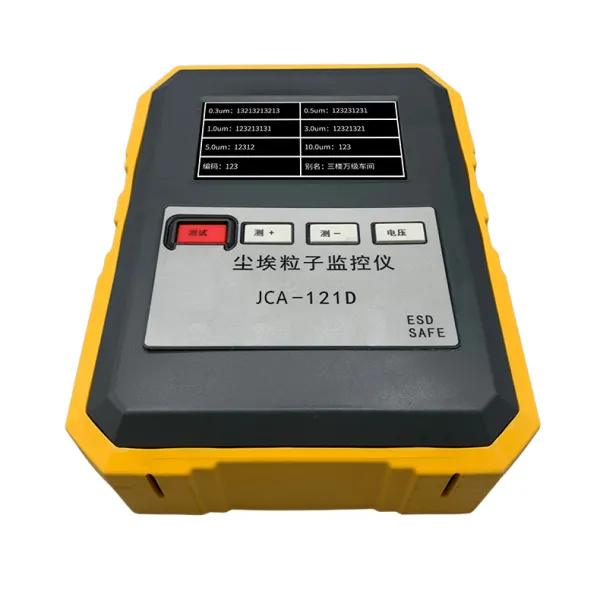
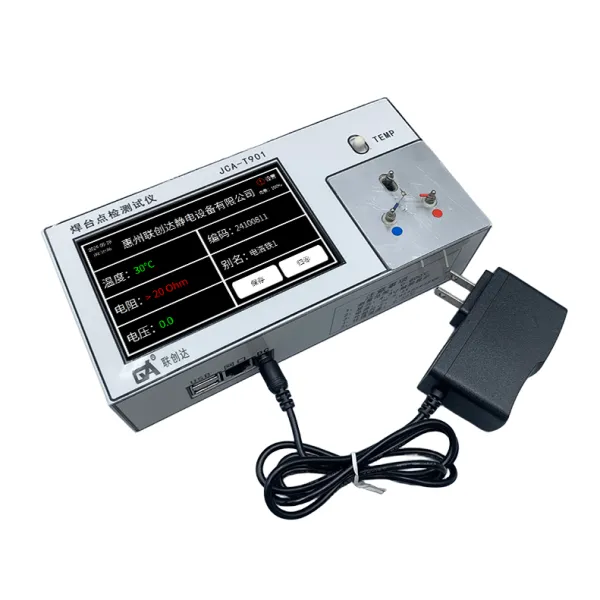
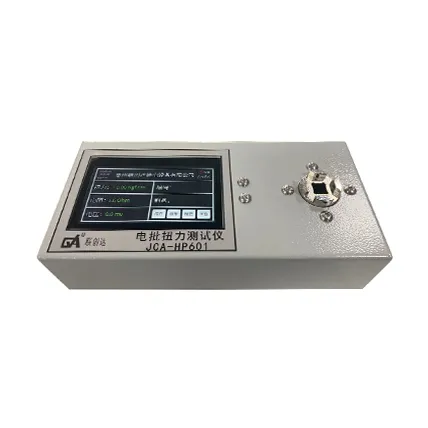
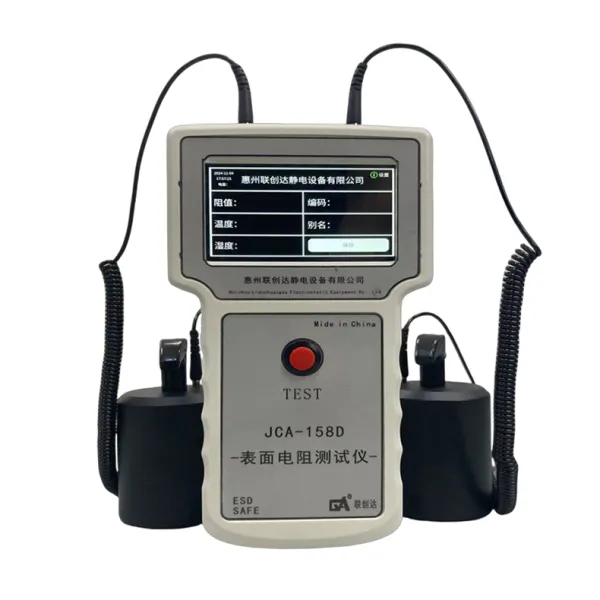
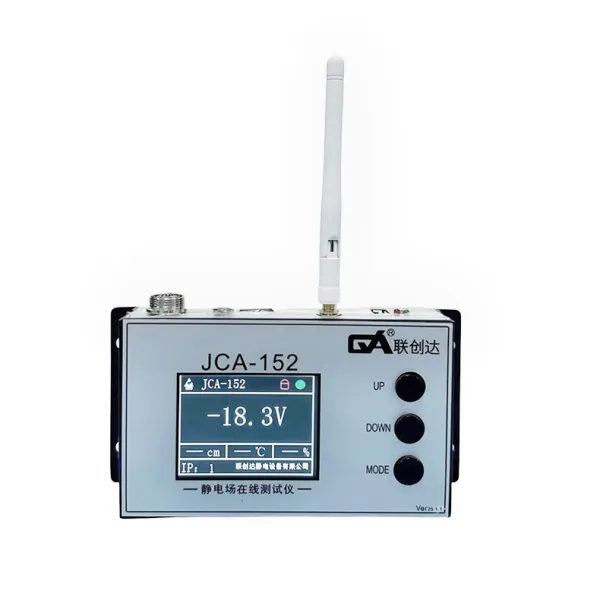

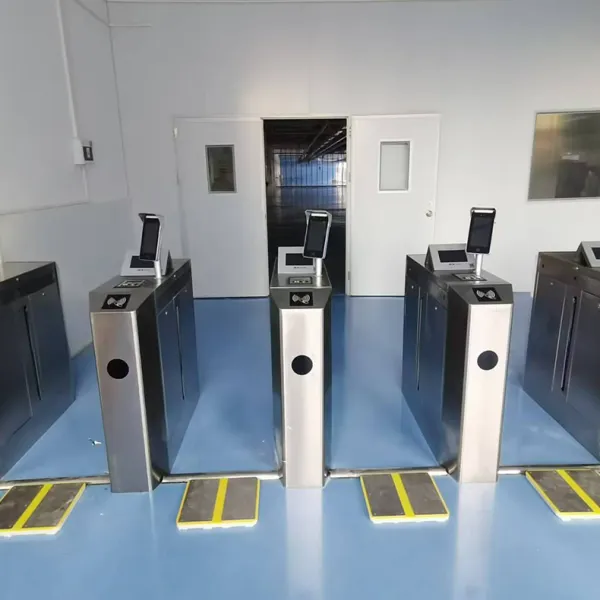

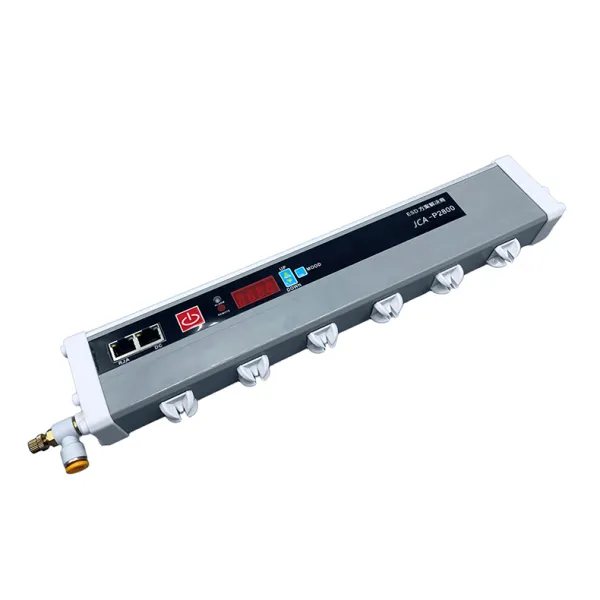
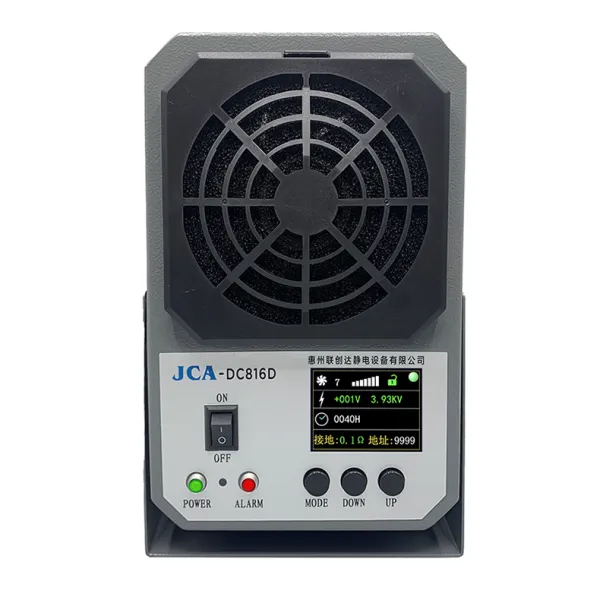

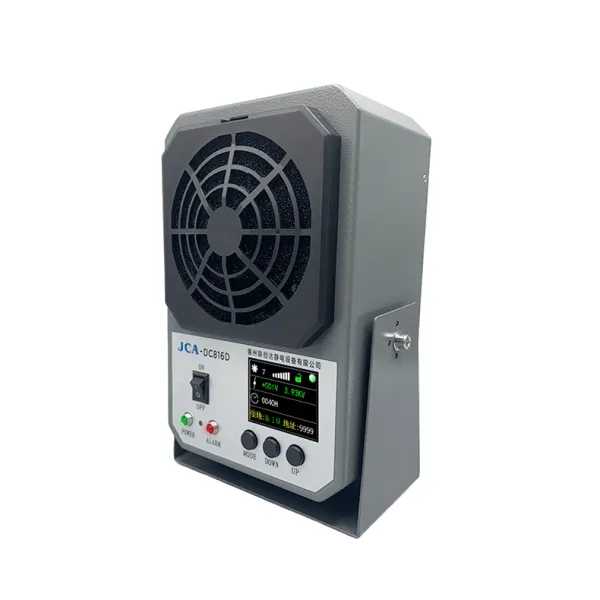
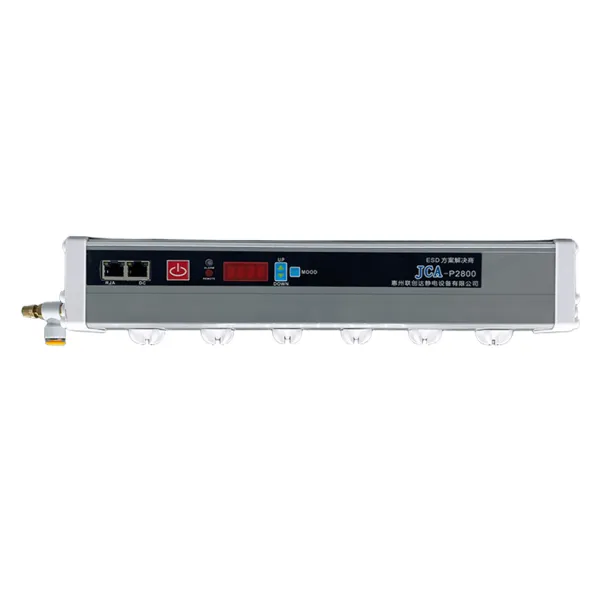

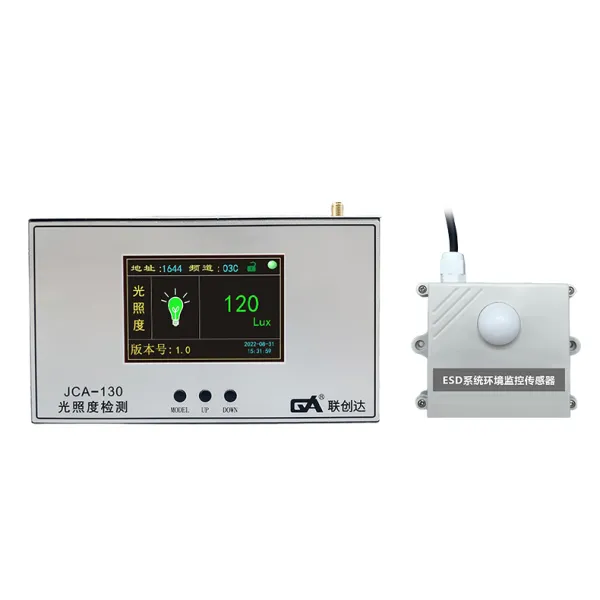

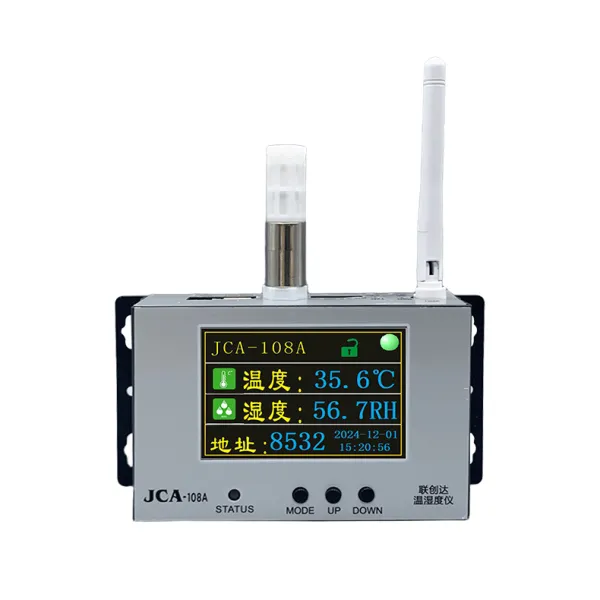


Heavy-hammer surface resistance teste
Heavy-Hammer Surface Resistance Test: An Overview The heavy-hammer surface resistance test is a widely used method for evaluating the electrical resistance of conductive surfaces, particularly in grounding systems, lightning protection networks, and other applications where low-resistance connections are critical. This test provides a quick and practical way to assess the quality of electrical contacts or the effectiveness of grounding electrodes without requiring complex equipment or extensive preparation. Principle of Operation The test involves using a specialized heavy-hammer device, which typically consists of a spring-loaded or manually operated hammer mechanism. When the hammer strikes the surface, it generates a high-impact force, ensuring proper contact between the test probe and the material being evaluated. The device measures the resistance between the test point and a reference ground or another designated point, providing an immediate reading. This method is particularly useful for detecting high-resistance connections caused by corrosion, poor bonding, or surface contamination. By applying mechanical force, the hammer breaks through surface oxides or insulating layers, allowing for a more accurate measurement of the underlying conductive material. Applications 1. Grounding Systems: Ensures low-resistance connections in grounding grids, rods, and bonding jumpers. 2. Lightning Protection: Verifies the integrity of down conductors and air terminals. 3. Industrial Equipment: Checks electrical continuity in rail tracks, pipelines, and structural steel. 4. Power Distribution: Assesses connections in substations, transformers, and switchgear. Advantages - Portability: The handheld design allows for easy field testing. - Speed: Provides instant readings without lengthy setup. - Reliability: Overcomes surface oxidation, yielding more accurate results than static probes. - Cost-Effectiveness: Eliminates the need for expensive laboratory testing in many cases. Limitations - Surface Dependency: Results may vary based on material composition and surface conditions. - Limited Depth Sensitivity: Primarily measures surface resistance rather than deep-layer conductivity. - Operator Skill: Proper technique is required to ensure consistent impact force and contact. Conclusion The heavy-hammer surface resistance test is a practical, efficient solution for field assessments of electrical continuity. While it has some limitations, its simplicity and effectiveness make it a valuable tool for maintenance engineers, electricians, and safety inspectors working with critical conductive systems. Proper usage ensures reliable grounding and bonding, reducing the risk of electrical faults or lightning-related damage.
Products
Category:
No search results found!
News
Category:
-
[Technical knowledge]A Beginner's Guide to Using an Electrostatic Voltage Tester
2025-11-13 09:54:17
Case
Category:
No search results found!
Video
Category:
No search results found!
Download
Category:
No search results found!
Job
Category:
No search results found!
Featured Products
No search results found!



 WhatsApp
 Phone
Phone