


 Español
 Portugues
 Pусский
 Français
 Deutsch
 日本語
日本語 한국어
한국어 العربية
 Italiano
 Nederlands
 Polski
 ไทย
ไทย Türk dili
 हिन्दी
 Indonesia
 Melayu
 Tiếng Việt
 বাংলা
বাংলা


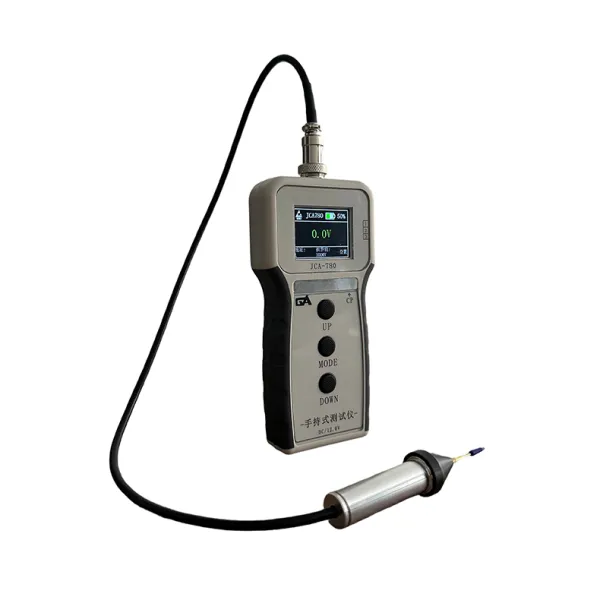


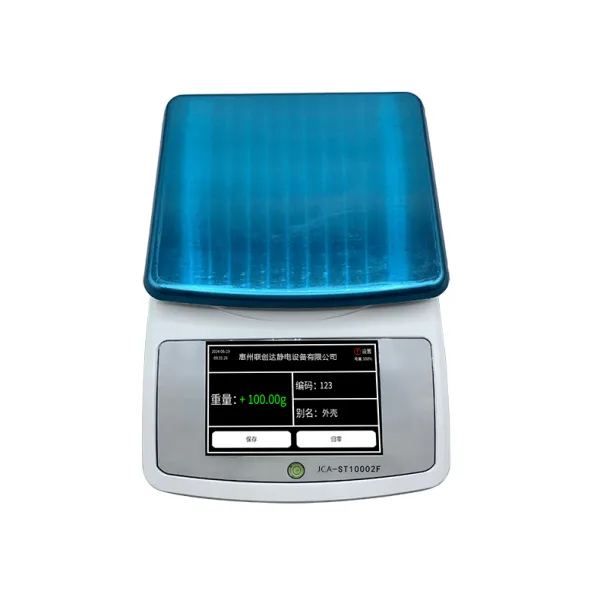
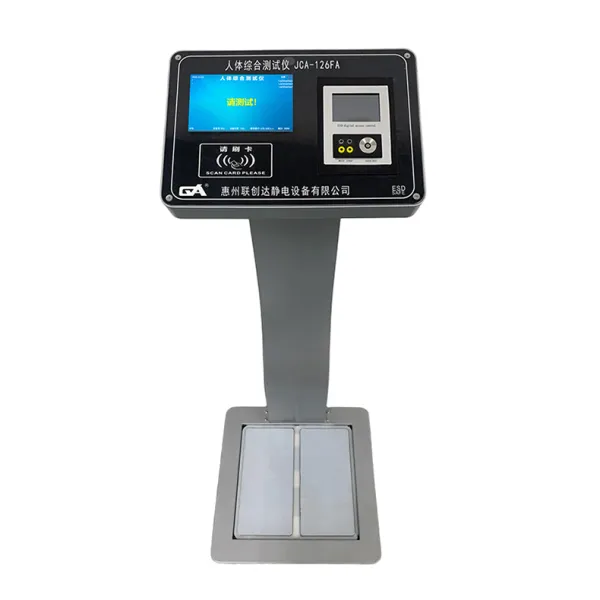
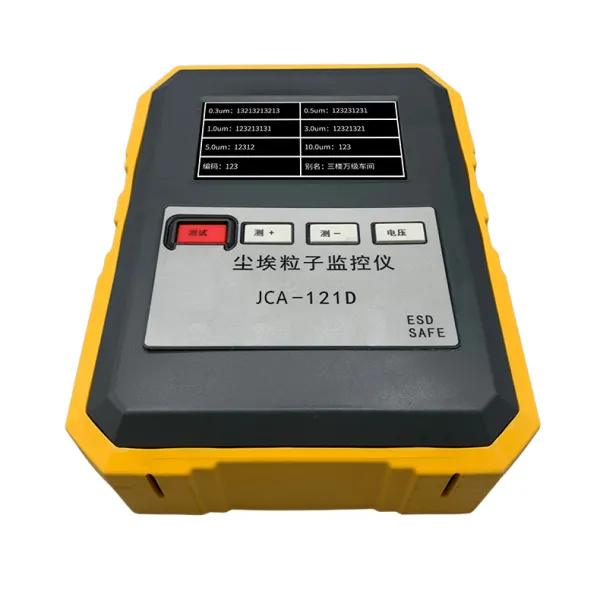
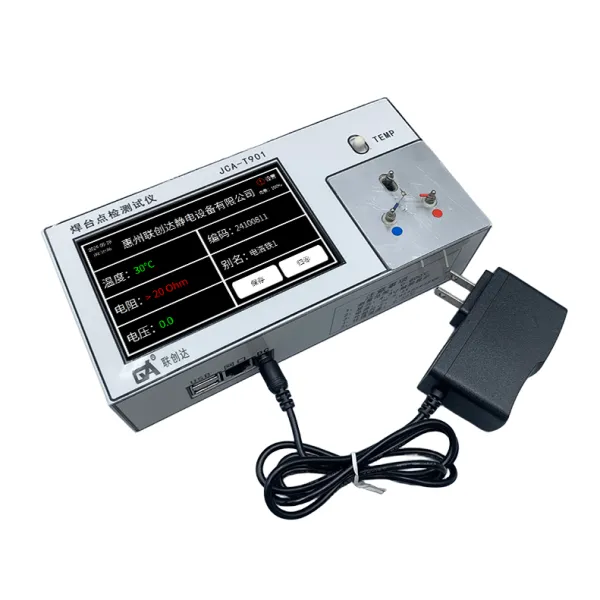
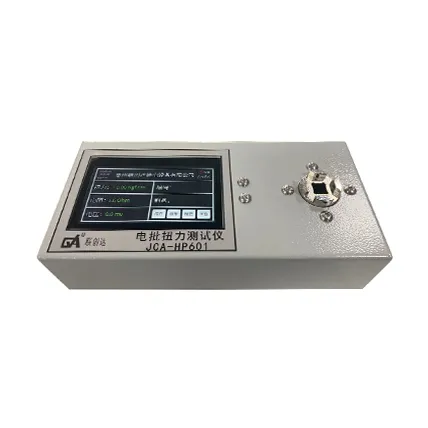
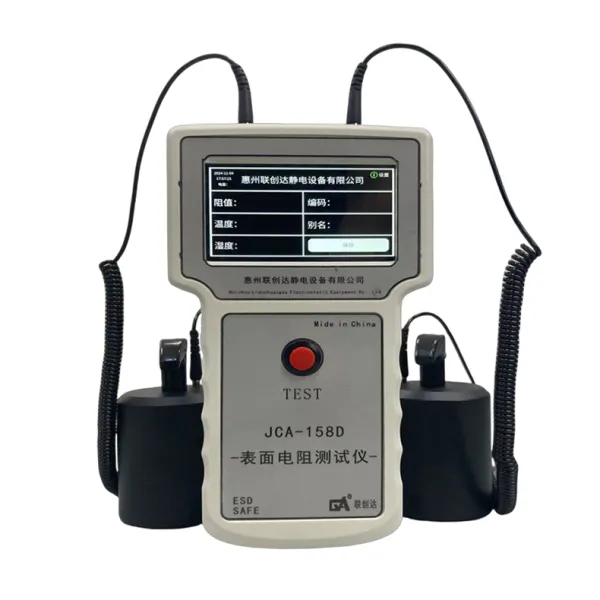
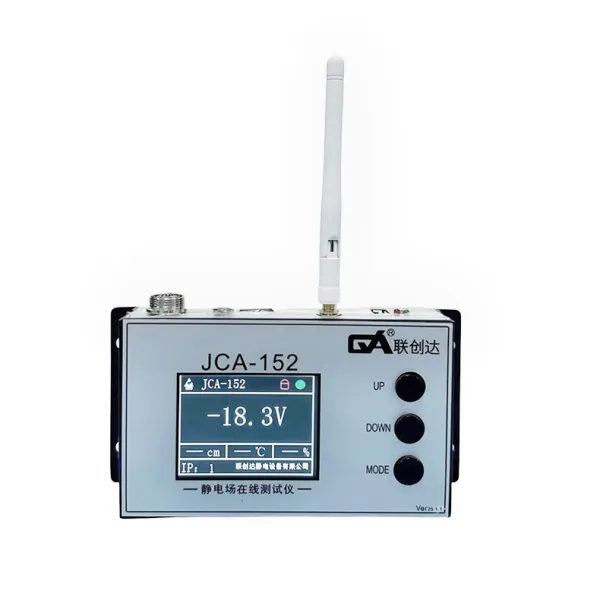







megohmmeter
A megohmmeter, also known as an insulation resistance tester, is a specialized electrical instrument designed to measure high resistance values, typically in the range of megaohms (MΩ) to gigaohms (GΩ). It is widely used to assess the integrity of insulation in electrical systems, cables, transformers, motors, and other high-voltage equipment. By applying a high DC voltage to the test specimen, the megohmmeter measures the leakage current flowing through the insulation, calculating the resistance based on Ohm's Law (R = V/I). Key Features and Operation 1. High Test Voltage: Megohmmeters generate DC test voltages ranging from 50V to 10kV, depending on the application. Common ranges include 500V, 1000V, and 2500V for industrial and utility testing. 2. Measurement Modes: - Spot Test: A single resistance reading at a fixed voltage. - Time-Resistance Test (Dielectric Absorption Ratio - DAR/Polarization Index - PI): Measures resistance over time to evaluate insulation aging or moisture absorption. - Step Voltage Test: Applies increasing voltage levels to detect insulation weaknesses. 3. Safety Features: Built-in discharge circuits protect users from stored energy in capacitive test objects. Applications - Electrical Maintenance: Identifies degraded insulation in motors, generators, and switchgear before failures occur. - Cable Testing: Detects insulation damage or moisture ingress in power and control cables. - HV Equipment Compliance: Ensures insulation meets safety standards (e.g., IEEE, IEC, NFPA). Advantages - Non-Destructive Testing: Evaluates insulation without damaging equipment. - Early Fault Detection: Prevents unexpected downtime by identifying insulation deterioration. - Portability: Modern digital megohmmeters are compact and battery-operated for field use. Limitations - Environmental Sensitivity: Humidity and temperature can affect readings. - Voltage Limitations: Not suitable for testing insulation at operational AC/DC voltages. Conclusion The megohmmeter is an essential tool for predictive maintenance and safety in electrical systems. Its ability to measure high resistance accurately ensures reliable operation of critical infrastructure while minimizing risks of electrical faults. Proper usage requires adherence to safety protocols and understanding of test methodologies for accurate diagnostics.
Products
Category:
No search results found!
News
Category:
No search results found!
Case
Category:
No search results found!
Video
Category:
No search results found!
Download
Category:
No search results found!
Job
Category:
No search results found!
Featured Products
No search results found!



 WhatsApp
 Phone
Phone